- Home
- Specialised Services
Specialised Services
Thermography
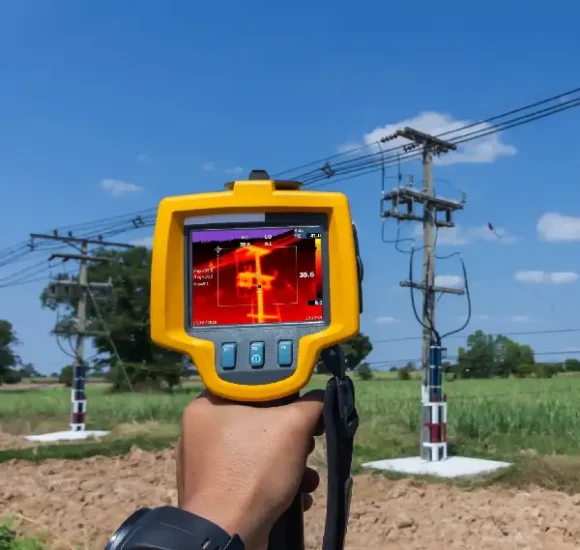
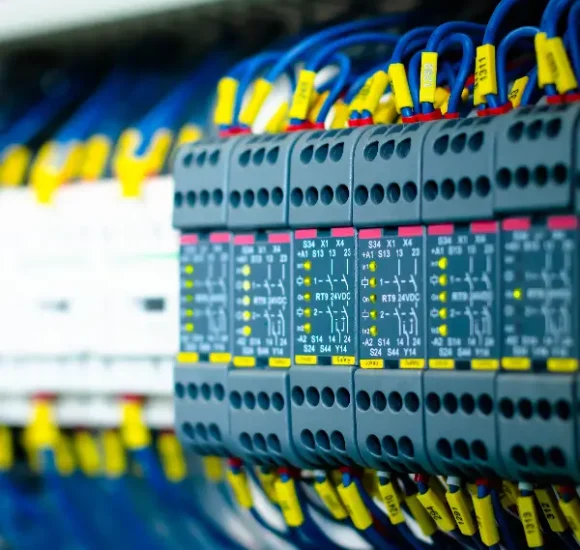
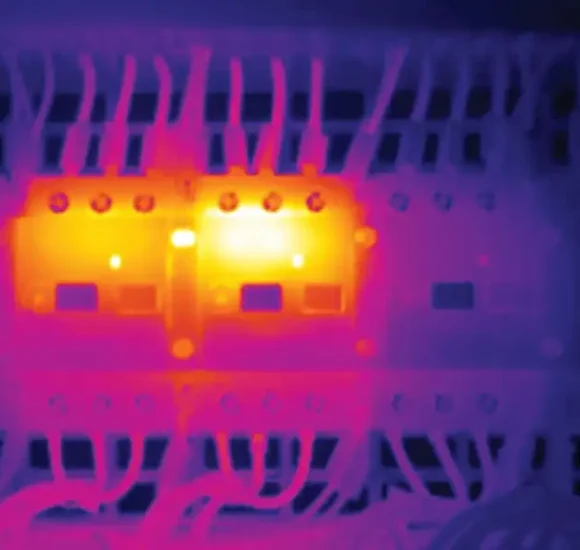
Infrared thermography is a non- destructive and non-intrusive testing and inspection process employed as a predictive maintenance inspection technique to detect abnormal heat patterns in the electrical distribution feeders / system, any mechanical rotation parts such as pumps and motors, Hot & Cold water and air circulation system, Building Inspections, Optical Gas Imaging.
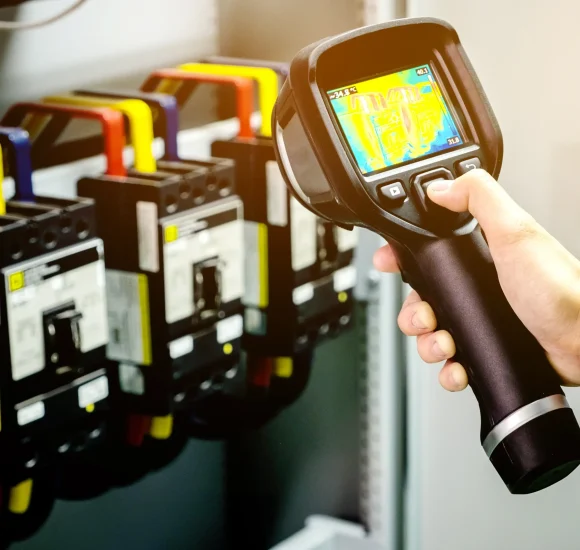
A device known as a thermal image is used in this method to detect radiation emitted from an object, converting it to a temperature and creating an image of the detected temperature distribution, known as a thermogram. The thermograms are utilised to analyse the thermal anomalies in different types of equipment.
Thermal Imaging, specialists in Thermographic Electrical Inspections, Thermographic and Bespoke Software Solutions is the perfect go to company to sort out all your condition based monitoring and maintenance and preventative measure needs.
Vibration Analysis
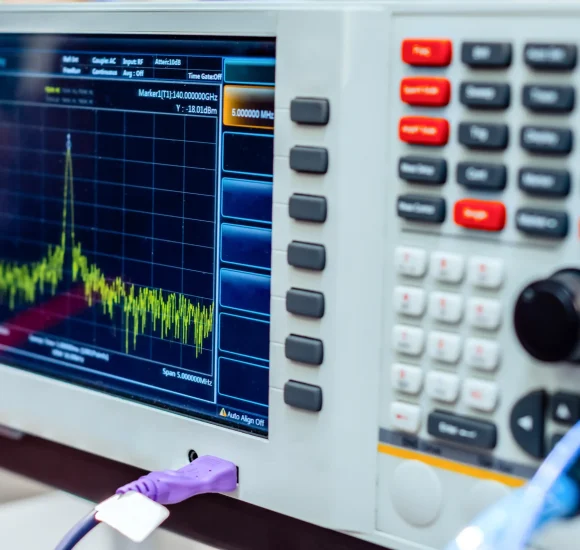
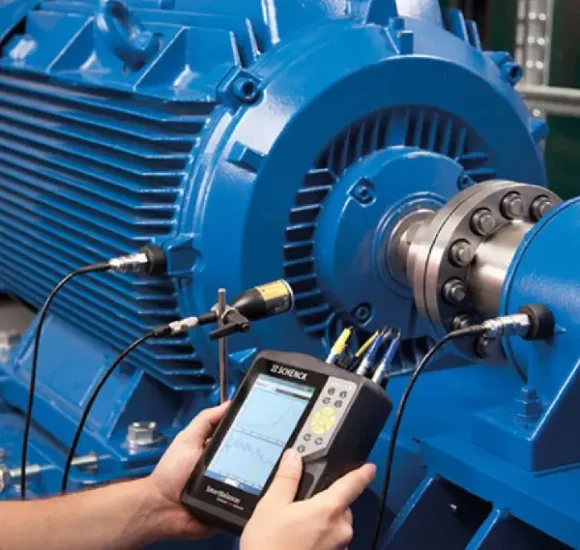
Vibration Analysis helps you monitor and detect issues using vibration data. Read about vibration analysis methodology, tools and techniques, which can impact on the pumps and motors performance. Vibration analysis is defined as a process for measuring the vibration levels and frequencies of machinery and then using that information to analyze how healthy the machines and their components are which in turn is analyzed by engineers or trained vibration analysts to determine the health of the machine and identify possible impending problems like looseness, unbalance, misalignment, lubrication issues and more. Vibration analysis can detect problems such as: Bearing failures, Mechanical looseness, Misalignment, Resonance and natural frequencies, Electrical motor faults,Bent shafts, Gearbox failures, Empty space or bubbles (cavitation) in pumps, Critical speeds.
If implemented properly, continuous vibration monitoring helps you optimize machinery performance. With the use of modern technology, you can take continuous vibration readings on various equipment in real time and have the data sent directly to your smartphone, tablet or desktop via the cloud.

Pipe freezing
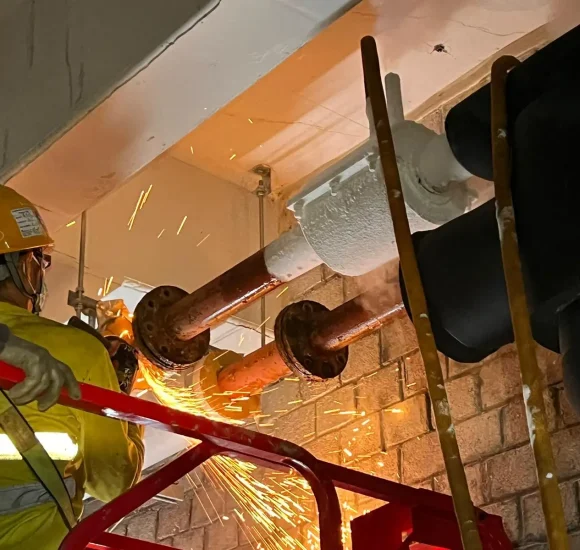
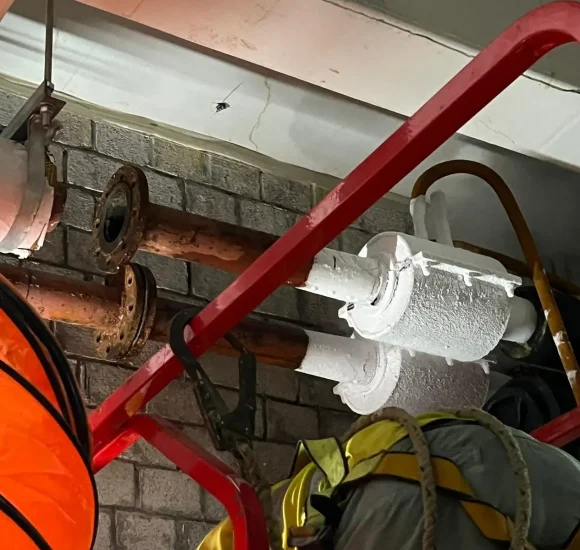
Pipe freezing is a technology where the existing pipes can be modified without draining the water/liquid in the pipeline.
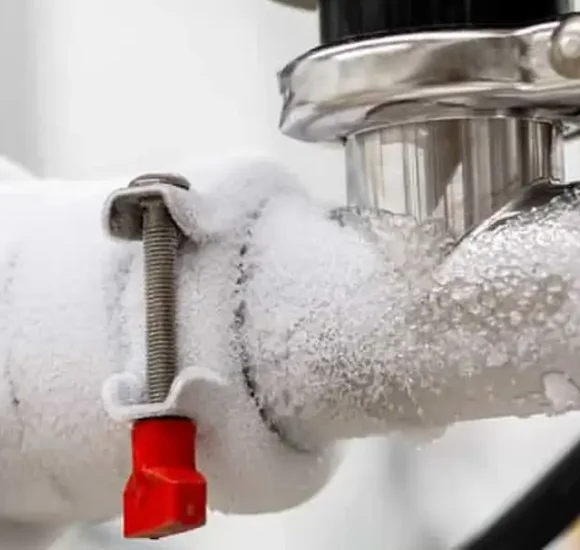
Pipe freezing it’s saves time, resources and shut-down times and helps you to carry on the operations smoothly without disturbing other parts of the system/performance. Metal jackets will be fabricated depending on the required pipe size and installed over the pipe.
Liquid Nitrogen is inserted in to the metal jackets where the liquid nitrogen freezes the pipe and the temperature reaches negative due to which the liquid in the pipe freezes. Then the necessary modifications can be done on the pipe without draining the liquid in the pipe.
Benefits
- Exiting pipe’s liquid not required to drain from the system.
- System shut down not required.
- Minimal Man Power.
Hot Tapping
Hot tapping is a process used to fix / attach a branch connection to a pipeline without needing to de-pressurize or disrupt the system without affecting the normal operations. The technique is also used to isolate sections of pipe for maintenance by plugging or stopping the line.
Hot tapping is also referred to as line tapping, pressure tapping, pressure cutting, and side cutting. Whether conducting maintenance or adding a new section of pipeline, the benefit of hot tapping lies in that it allows pipeline owners and operators to isolate and bypass sections of pipeline without shutting down their entire system and halting production, resulting in costly downtime.
When to use a hot tap Hot tapping process, there are several economic and environmental benefits by using a hot tap instead of a standard system shut down process. Hot tapping avoids releasing harmful gases into the atmosphere, doesn’t waste gas / water, and doesn’t interrupt service to customers. Additionally, you can avoid time consuming cutting, realignment, and re-welding of pipeline sections and reduce your costs associated with planning and coordinating a complete system or section shut down.
Benefits
- Energy audit
- Testing and Comissioning